
Buddhism
A beginner’s guide to Buddhism
Buddhism is a family of religious traditions rooted in the teachings of Gautama Buddha in ancient South Asia. Buddhist paths to liberation from suffering combine ethical conduct, meditation, and wisdom. Communities differ in the texts they study, the rituals they practice, and the ways they understand and pursue awakening.
Start here: What is Buddhism?
Core teachings
The Four Noble Truths explain suffering and dissatisfaction (dukkha), how craving gives rise to them, how they can cease, and how the Noble Eightfold Path leads toward that end.
Buddhist traditions
Theravada and Mahayana have distinct bodies of scripture and practice. Zen developed within Mahayana. Vajrayana grew out of Mahayana and includes tantric practices prominent in Tibetan Buddhism.
Buddhist practice
Meditation takes different forms, including practices that cultivate concentration and insight. Buddhist life can also involve giving, chanting, observing ethical precepts, and supporting a community of practitioners.
Sources: Smithsonian National Museum of Asian Art and The Metropolitan Museum of Art.
Choose a book for further reading
Buddhism books for beginners: Compare an overview, the Dhammapada and a practice-oriented introduction. With specific English editions, ISBNs, sources and Amazon UK book cards.
Buddhism Books for Beginners: Three English Editions to Consider
For a first book about Buddhism, start by deciding what you want to do: understand the tradition, read a Buddhist ...

What Are Buddhist Temples Like? Buildings, Worship and Visiting
Buddhist temples are places for worship, teaching and community practice, but they do not have one universal design. A site ...
Do Buddhists Believe in God? Creators, Deities and Devotion
Buddhism generally does not teach an eternal, all-powerful creator God. That does not mean Buddhist traditions have no gods, supernatural ...

What Is Nirvana in Buddhism? Liberation, Suffering and the Path
Nirvana is the Buddhist goal of liberation from the causes of suffering and continued rebirth. The Sanskrit word nirvāṇa and ...
Buddhist Meditation: Purpose, Mindfulness, Jhāna, and Different Methods
Buddhist meditation is a range of practices for cultivating attention, understanding, and qualities such as goodwill. Buddhists connect it with ...

What Is the Role of a Buddhist Monk? Training, Teaching and Community
Buddhist monks train within an ordained community and may teach, study, lead ceremonies, maintain monasteries and support lay practice. Their ...

Dukkha in Buddhism: Suffering, Change, Clinging and the Two Arrows
Dukkha is a central Buddhist term often translated as suffering, stress or unsatisfactoriness. It includes painful experience and a wider ...

Why Do Buddhist Monks and Nuns Shave Their Heads?
Many Buddhist monks and nuns shave their heads as a sign of renunciation and as part of their monastic discipline. ...

Do Buddhists Reject All Desire? Craving, Motivation and the Path
Buddhist teaching does not simply require having no goals, preferences or concern for anyone. Early Buddhist texts identify craving as ...
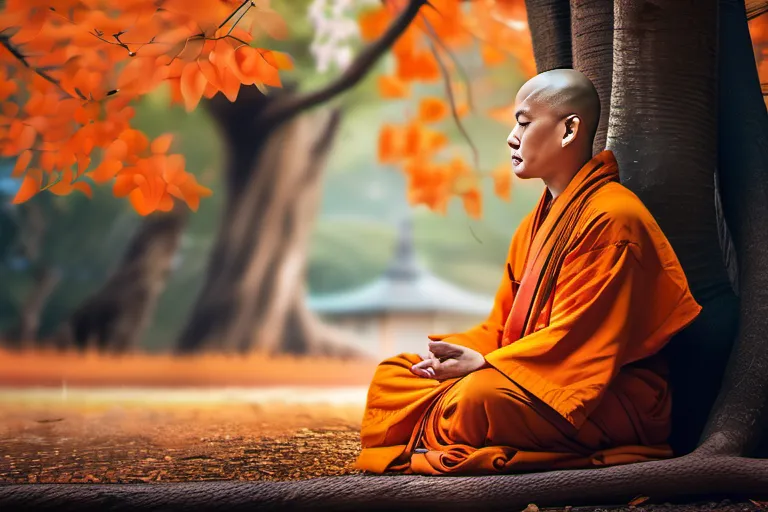
Why Do Some Buddhist Monks Wear Orange Robes?
Orange or saffron robes identify some Buddhist monastic communities, especially in Theravada settings, but they are not worn by every ...



