
Buddhism
Why Do Buddhists Believe in Rebirth? Karma, Not-Self and Liberation
Rebirth is important in many Buddhist traditions because it connects the consequences of action with the cycle of suffering and ...

Why Buddhists Follow the Eightfold Path: Purpose and Practice
Buddhists follow the Noble Eightfold Path because it connects the problem of suffering with a practical training directed toward liberation. ...
Why Buddhists Follow the Four Noble Truths: Understanding and Practice
Buddhists give the Four Noble Truths a central place because they connect an account of suffering with its cause, the ...
Karma in Buddhism: Intention, Action, Results, and Liberation
Karma in Buddhism concerns intentional action and its consequences. The Sanskrit word is karma; the Pali form used in many ...

Why Buddhists Meditate: Roots, Purpose and Differences Across Traditions
Meditation matters in many Buddhist traditions because it is understood as a way to develop the qualities needed for liberation: ...
What Does Nirvana Mean? Liberation, Awakening and Buddhist Interpretations
Nirvana, or nibbana in Pali, is the Buddhist goal of liberation from suffering and the conditions that perpetuate it. A ...

Compassion in Buddhism: Karuna, Practice, and Care for Others
Compassion in Buddhism is commonly discussed through the term karuṇā: a response to suffering that seeks its relief. It concerns ...
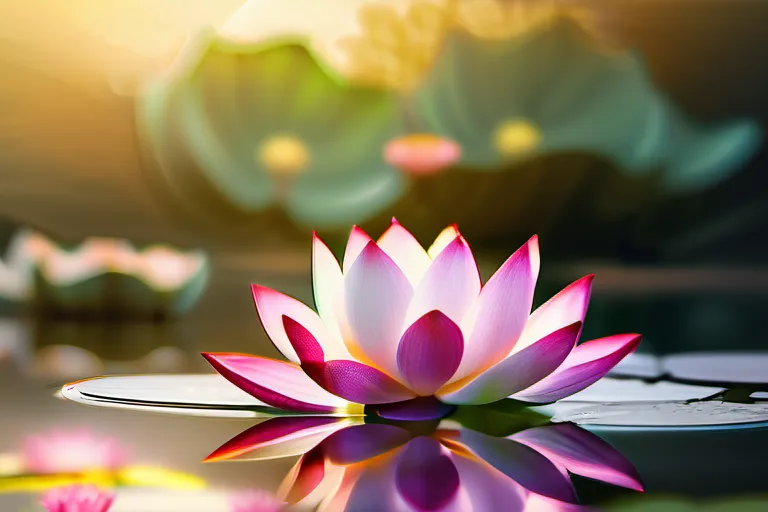
The Lotus in Buddhism: Teachings, Art, and Living Traditions
The lotus is significant in Buddhism through several related uses: as a metaphor for awakening, an attribute of particular Buddhist ...

What Is a Buddhist Temple? Architecture, Worship and Community
A Buddhist temple is a place where a community gathers for Buddhist teaching, devotion, ritual and other forms of practice. ...

Rebirth in Buddhism: Karma, Continuity, and Liberation
Rebirth is an important teaching in Buddhist traditions. It concerns continued birth and death within samsara and the conditions through ...



