
Hinduism

What Is Moksha? Hindu Views of Liberation, Karma and Spiritual Practice
Moksha means liberation, especially freedom from samsara, the cycle of birth, death and rebirth. Many Hindu traditions treat it as ...
Why Hindus Believe in Karma: Scripture, Action, and Responsibility
Karma is treated as a real principle in many Hindu teachings because it belongs to a wider understanding of action, ...

Caste in Hinduism: Varna, Jati, Discrimination, and Equality
Caste in Hinduism involves religious classifications, inherited social identities, marriage boundaries, and unequal access to status and opportunity. Understanding it ...
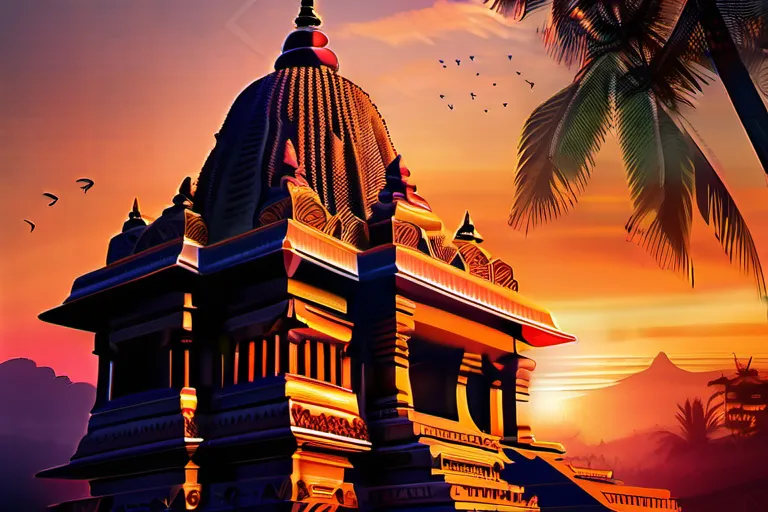
What Is a Hindu Temple Called? Mandir, Kovil, Worship and Architecture
A Hindu temple is commonly called a mandir. Other names are used in different languages and regions, including kovil or ...
Reincarnation in Hinduism: Karma, Samsara, the Self and Liberation
Reincarnation is important in many Hindu traditions because bodily death is not understood as the final end of the living ...
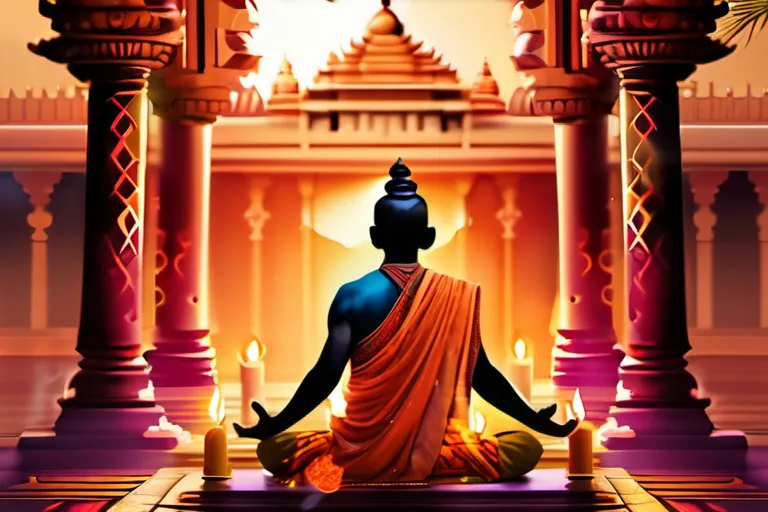
What Does a Hindu Priest Do? Rituals, Titles and Community Roles
A Hindu priest conducts religious rituals and helps a community carry out worship and life-cycle ceremonies. Depending on the role ...

The Ramayana | Sita, Exile and the Rescue from Lanka
The Ramayana is a Sanskrit epic traditionally attributed to Vālmīki. Its main story follows Rama, a prince of Ayodhya, through ...

Hindu Festivals: Sacred Stories, Regional Traditions, and Worship
A Hindu festival is a religious observance through which a community marks a sacred story, a deity, a season, or ...

Who Is Lord Shiva? The Linga, the Ganga and the Dance
Shiva is a Hindu deity worshipped as the great lord, Mahadeva, and as the supreme divine reality in Shaiva traditions. ...
What Does Dharma Mean in Hinduism and Buddhism?
The Sanskrit word dharma, with its Pāli counterpart dhamma, takes on different meanings across Hindu and Buddhist texts. An Upaniṣad ...



