
Hinduism
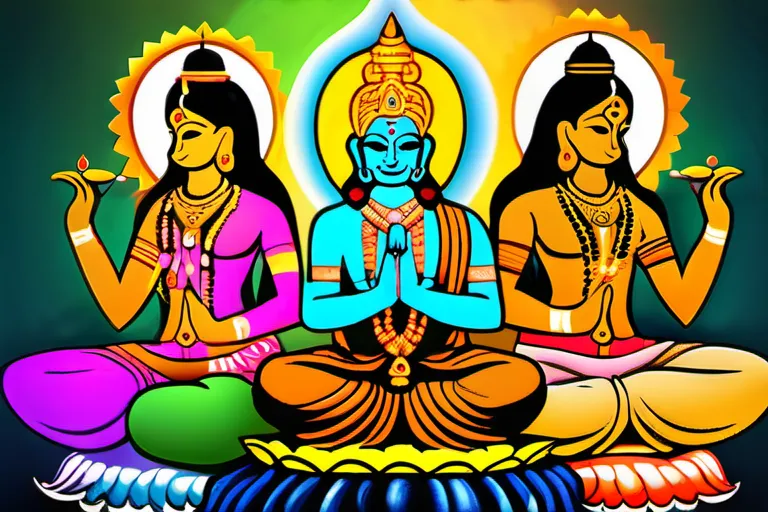
Major Hindu Traditions: Deities, Lineages, and Philosophical Differences
Hinduism includes many devotional traditions, teacher lineages, philosophical schools, and local practices. One widely used introductory map distinguishes Shaivism, Vaishnavism, ...

The Afterlife in Hinduism: Rebirth, Karma, Heaven and Moksha
Many Hindu traditions understand death within samsara, the cycle of birth, death and rebirth. A person’s actions, or karma, have ...

Kumbh Mela Explained: Sacred Rivers, Bathing, Kalpavas and History
The Kumbh Mela is a major Hindu pilgrimage gathering associated with bathing in sacred rivers, religious teaching and temporary communities ...

Moksha in Hindu Texts: Self, Bondage, and Liberation
Moksha means liberation. In Hindu thought, the term commonly concerns freedom from samsara, the cycle of birth and death. Explaining ...
Dharma in Hinduism: Duty, Ethics, Human Goals, and Social Context
Dharma is a central term in Hindu thought, with meanings that include sustaining order, duty, ethical conduct, and religious responsibility. ...
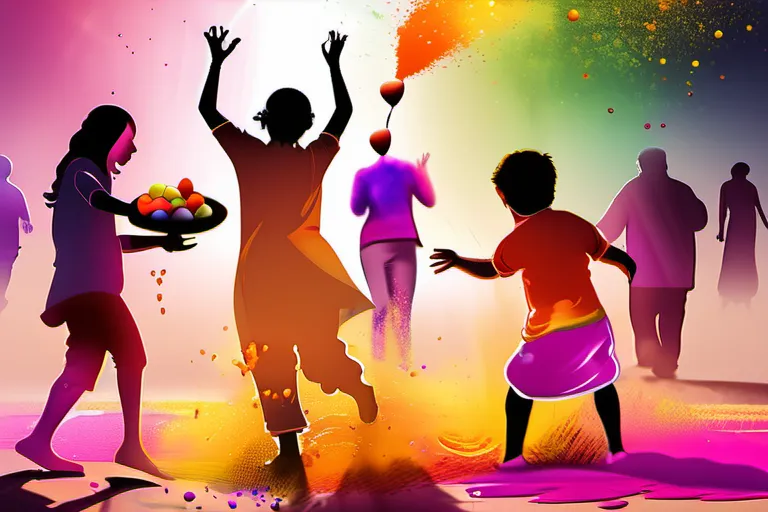
Holi in Hinduism: Devotion, Colours, and Regional Traditions
Holi combines Hindu devotional meanings with springtime celebration, colour, music, and social gathering. Its familiar public image is the exchange ...

Puja in Hinduism: Worship, Offerings, Darshan, Arati, and Prasada
Puja is an act of worship through which Hindus express reverence, gratitude, and devotion. It can involve prayer, a sacred ...

The Ganges in Hinduism: Ganga, Pilgrimage, and Sacred Meaning
The Ganges, or Ganga, is revered by many Hindus as both a river and a goddess. Its waters, pilgrimage places, ...

What Is Hinduism? Traditions, Sacred Texts, Worship, and History
Hinduism is a diverse family of religious, philosophical, and cultural traditions with deep roots in South Asia and communities around ...



