
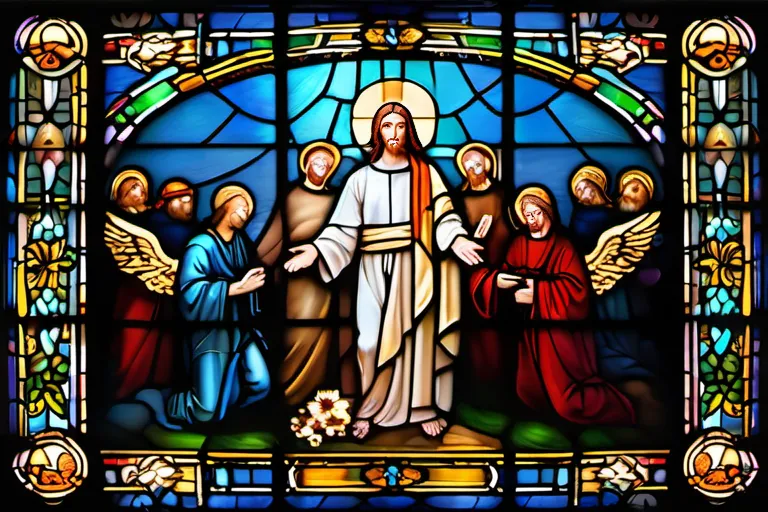
Christian teaching about the afterlife centers on resurrection, judgment and eternal life through Jesus Christ. It is broader than the popular image of a soul leaving earth for heaven. Churches share important scriptural themes but differ about the condition of the dead, purification after death and the meaning of final punishment.
Why resurrection is central
The Catholic Catechism’s discussion of resurrection, paragraphs 988–991, connects Christian hope to Christ’s resurrection and to the future raising of human beings. In this account, salvation includes the body rather than only an immortal soul.
An Orthodox Church in America explanation of eternal life likewise emphasizes the goodness of material creation and its renewal in God’s presence. Its account does not reduce the Christian hope to escape into a purely spiritual realm.
What does the New Testament describe?
Revelation 21:1–5 portrays a renewed heaven and earth, God’s dwelling among people and an end to death and suffering. This is a visionary passage, not a set of measurable coordinates for an afterlife destination.
Read a passage’s literary form and surrounding argument before treating an image as a detailed timetable. The language of resurrection, communion with God and renewal should remain visible alongside discussions of heaven and hell.
Do all Christians believe people go immediately to heaven?
No single answer represents every Christian community. For example, the Seventh-day Adventist statement on death and resurrection describes death as an unconscious condition until resurrection. This is a specific denominational teaching and differs from accounts that understand the dead as consciously awaiting the final resurrection.
The distinction between an intermediate condition after an individual’s death and the final resurrection helps explain why two Christian sources can use similar words but describe different sequences. Ask which church is speaking before combining their explanations.
What is purgatory?
In Catholic teaching, paragraphs 1030–1032, purgatory is the final purification of people whose salvation is assured but who are not yet fully purified. It is not another name for the punishment of the damned. The same passage connects the teaching with prayer for the dead.
Label this explanation Catholic rather than presenting it as something every Christian must affirm. A comparison should consult each church’s own account instead of adding purgatory to a supposedly universal Christian afterlife map.
What about hell and judgment?
The sources do not all explain final punishment identically. The Orthodox account cited above describes God’s presence as paradise for those who love God and hell for those who reject him. The Adventist account understands the ultimate punishment as final destruction rather than unending conscious torment. Those differences affect how each tradition interprets biblical imagery.
Our separate article on heaven, hell and the meaning of “place” distinguishes religious teachings from questions about evidence. A description of a church’s doctrine establishes what that church teaches; it does not independently demonstrate what happens after death.
How to compare Christian explanations
Keep four questions separate: what happens at death, what resurrection means, what judgment involves and what final life with God is understood to be. Identify the denomination and the text supporting each answer. That approach gives a more accurate comparison than treating every Christian image of the afterlife as one identical system.
How do biblical passages connect Christ’s resurrection with human hope?
In 1 Corinthians 15:12–28, Paul argues that Christ’s resurrection and the future resurrection of the dead belong together. He considers the consequence of denying resurrection, then identifies Christ as the beginning of what is to follow. Death itself is described as an enemy that will be overcome.
The argument helps explain why Christian teaching is not exhausted by a claim that a person’s influence or memories live on. The passage makes a religious claim about death and renewed life. Churches interpret its implications within broader accounts of salvation and judgment, rather than treating it as an isolated description of where a soul travels.
John 11:17–27 presents the theme through a narrative conversation. Mourning Lazarus, Martha speaks of resurrection on the last day; Jesus links resurrection and life with himself. Here a future expectation is connected to a personal encounter amid grief. Reading that scene alongside Paul’s argument and Revelation’s vision shows several literary forms through which Christian texts express afterlife hope.
Conclusion
Christian hope about the afterlife includes resurrection, judgment and the renewal of life through Christ. The New Testament’s narratives, arguments and visions give these themes different forms, while churches interpret intermediate existence, purification and final punishment differently. Keeping those questions distinct allows common commitments and real disagreements to be seen together. An account of a denomination’s doctrine explains its faith without independently proving what happens after death.
Reviewed and substantially revised on 1 November 2026. Scriptural passages and named denominational teachings are identified above. See our editorial approach and AI transparency.
Published by Ralf. About our editorial process.



