A Comprehensive, Accurate, and Engaging Guide
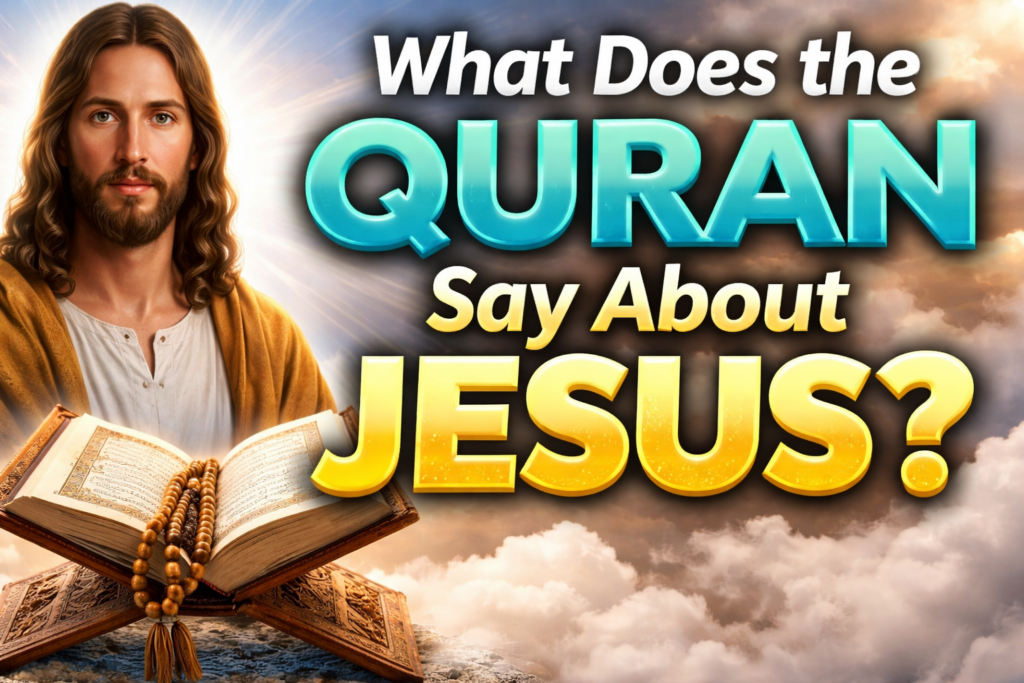
Jesus is one of the most important and respected figures in Islam—yet many people are surprised by how often and how positively he appears in the Quran. While Islamic teachings about Jesus differ significantly from Christian doctrine, the Quran presents him with deep reverence, moral authority, and spiritual significance.
This article explores what the Quran actually says about Jesus, based on Islamic theology and primary Quranic sources, while clearly explaining similarities and differences with Christianity.
Who Is Jesus in the Quran?
In the Quran, Jesus is known as ʿĪsā ibn Maryam (Jesus, son of Mary). He is one of the greatest prophets in Islam and is mentioned by name 25 times—more often than the Prophet Muhammad.
Islam teaches that Jesus was:
- A chosen messenger of God
- Born miraculously to the Virgin Mary
- A teacher of divine guidance
- A performer of miracles by God’s permission
- The Messiah (al-Masīḥ), but not divine
The Virgin Birth of Jesus in Islam
The Quran affirms the virgin birth of Jesus in clear terms. Mary (Maryam) is described as a pure and devout woman, chosen by God above all others.
God tells Mary that she will conceive a son without a father:
- This miracle is presented as a sign of God’s power
- It is compared to the creation of Adam, who had neither father nor mother
The virgin birth does not imply divinity in Islam—it demonstrates God’s ability to create by command alone.
Jesus as the Messiah in Islam
The Quran explicitly calls Jesus al-Masīḥ (the Messiah). However, the Islamic understanding of the Messiah differs from Christian theology.
In Islam, the Messiah:
- Is a divinely appointed leader and guide
- Was sent specifically to the Children of Israel
- Did not come to atone for humanity’s sins
- Did not abolish God’s law but reaffirmed it
The Quran does not associate the Messiah with divine sonship or redemption through crucifixion.
The Miracles of Jesus According to the Quran
The Quran attributes several remarkable miracles to Jesus, always emphasizing that they occurred by God’s permission, not by Jesus’ own power.
Among these miracles:
- Speaking as an infant to defend his mother
- Healing the blind and the leper
- Raising the dead
- Creating a bird from clay and breathing life into it
- Revealing hidden matters
These miracles affirm Jesus’ prophetic status, not his divinity.
What the Quran Says About the Divinity of Jesus
One of the most significant differences between Islam and Christianity lies here.
The Quran explicitly rejects the idea that Jesus is divine or the son of God. It emphasizes strict monotheism (tawḥīd), declaring that God has no partners, equals, or offspring.
According to Islamic belief:
- Worship belongs to God alone
- Jesus himself worshiped God
- Associating divinity with any human is a theological error
The Quran portrays Jesus as a servant and messenger who called people to worship God, not himself.
Did Jesus Die on the Cross According to the Quran?
The Quran presents a view of the crucifixion that differs from mainstream Christian belief.
Islam teaches that:
- Jesus was not crucified nor killed
- It appeared so to those who witnessed the event
- God raised Jesus up to Himself
The exact nature of what occurred is not fully detailed in the Quran, but the core belief is that Jesus was saved by God and did not die on the cross.
Jesus’ Message in the Quran
Jesus is described as preaching:
- Worship of one God
- Moral responsibility
- Compassion, humility, and righteousness
- Adherence to divine law
He confirmed the Torah that came before him and brought the Gospel (Injīl), which Islam views as an original revelation from God—distinct from the New Testament as it exists today.
The Second Coming of Jesus in Islam
Islam teaches that Jesus will return before the end of time.
According to Islamic tradition:
- Jesus will return as a just leader
- He will restore justice and defeat falsehood
- He will affirm monotheism
- He will eventually die a natural death
His return is not to establish a new religion, but to restore truth and justice.
Similarities Between Islamic and Christian Views of Jesus
Despite theological differences, there are important shared beliefs:
- Jesus was born to the Virgin Mary
- He was a holy and righteous figure
- He performed miracles
- He is the Messiah
- He plays a role in the end times
These shared elements make Jesus a central bridge figure in interfaith dialogue.
Key Differences Between the Quran and the Bible on Jesus
The main differences include:
- Jesus is not divine in Islam
- He is not the son of God
- He was not crucified
- Salvation is based on faith and deeds, not atonement
- Jesus’ mission was prophetic, not redemptive in the Christian sense
Understanding these differences helps clarify Islamic beliefs without misrepresentation.
Why Jesus Matters So Much in Islam
Jesus’ importance in Islam reflects:
- God’s consistent message through all prophets
- The continuity of monotheistic faith
- Respect for earlier revelations
- Moral and spiritual guidance for humanity
Denying Jesus is considered disbelief in Islam, making belief in him essential for Muslims.
Frequently Asked Questions (FAQ)
Is Jesus considered a prophet in Islam?
Yes. Jesus is one of the greatest prophets and messengers in Islam.
Does the Quran say Jesus is the Son of God?
No. The Quran explicitly rejects the idea of divine sonship.
Does Islam believe in the virgin birth of Jesus?
Yes. The Quran clearly affirms that Mary gave birth to Jesus without a father.
Did Jesus perform miracles according to the Quran?
Yes. He performed many miracles by God’s permission.
Was Jesus crucified according to Islam?
No. Islam teaches that Jesus was not crucified and was raised by God.
Will Jesus return according to Islamic belief?
Yes. Islam teaches that Jesus will return before the end of time.
Do Muslims believe in the Gospel?
Muslims believe in the original Gospel revealed to Jesus, not necessarily the New Testament in its current form.
Conclusion
The Quran presents Jesus as a revered prophet, miracle-worker, Messiah, and servant of God—honored but not worshiped. While Islamic teachings differ from Christian theology, they reflect deep respect for Jesus and his mother Mary.
Understanding what the Quran says about Jesus offers valuable insight into Islamic belief, promotes informed dialogue, and helps dispel common misconceptions.