
Islam
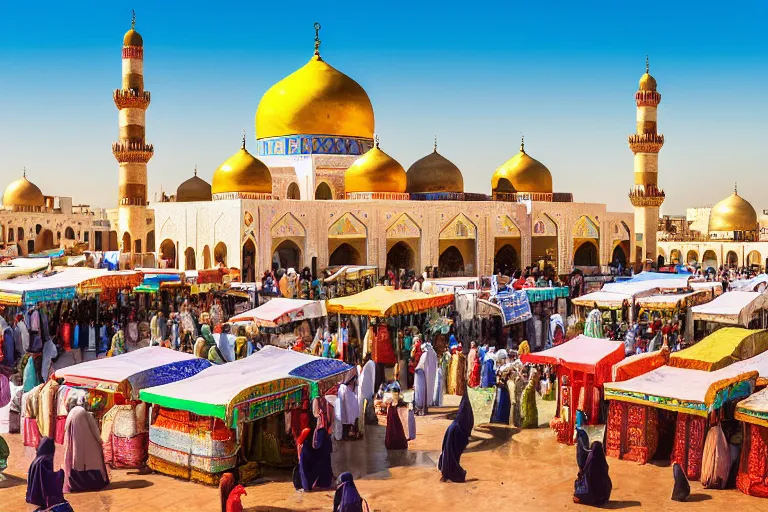
Religious Laws in Muslim-Majority States: Interpretation, Authority, and Enforcement
Religiously justified restrictions in some Muslim-majority states arise through a combination of interpretation, political authority, legislation, and enforcement. They cannot ...

Why Muslims Travel to Mecca for Hajj
Muslims travel to Mecca for Hajj to fulfill a duty of worship to God when they are able to undertake ...

Misconceptions About Islam: Belief, Diversity, Violence and Public Perception
Misconceptions about Islam often begin by treating a diverse religious population, a particular interpretation and a political event as if ...

How Muslims Read Quranic Guidance | The Debt Verse
Muslims receive the Quran as divine revelation to Muhammad. Its authority therefore comes from its place in their faith, even ...
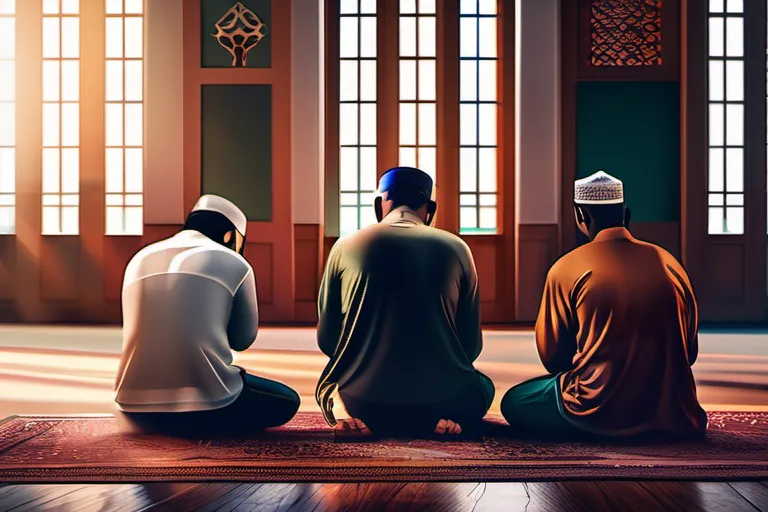
Why Do Some Muslims Follow Stricter Religious Rules Than Others?
Some Muslims follow more detailed religious routines than others because belief, interpretation, community and personal circumstances do not operate in ...

Why Can’t Muslims Eat Pork? Quran, Halal Rules and Exceptions
Muslims who observe Islamic dietary law do not eat pork because the Quran explicitly prohibits it. The central reason is ...
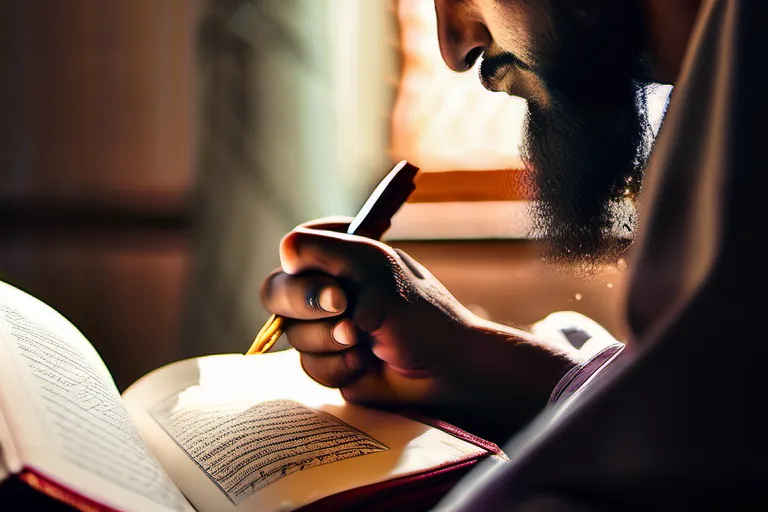
Why Do Muslims Memorize the Quran? Hifz and Understanding
Muslims memorize the Quran as a form of worship, a way to support recitation and prayer, and a practice of ...

Why Is Mecca Important in Islam? The Kaaba, Prayer, Hajj and Umrah
Mecca, also written Makkah, is Islam’s holiest city. Located in Saudi Arabia, it is central to Muslim prayer and pilgrimage ...

What Is an Imam? Prayer Leadership, Training and Community Roles
An imam is a leader, but the title has several meanings in Islam. In congregational prayer, the imam leads the ...

What Is a Hadith? Reading Reports on Ritual Washing
A hadith is a transmitted report. In Islamic collections, a report may preserve a saying attributed to Muhammad, describe something ...



