
Islam

Who Are the Ahmadi Muslims? Origins, Beliefs and the 1914 Split
The Ahmadiyya movement began in British India in 1889, when Mirza Ghulam Ahmad accepted a formal pledge from his first ...
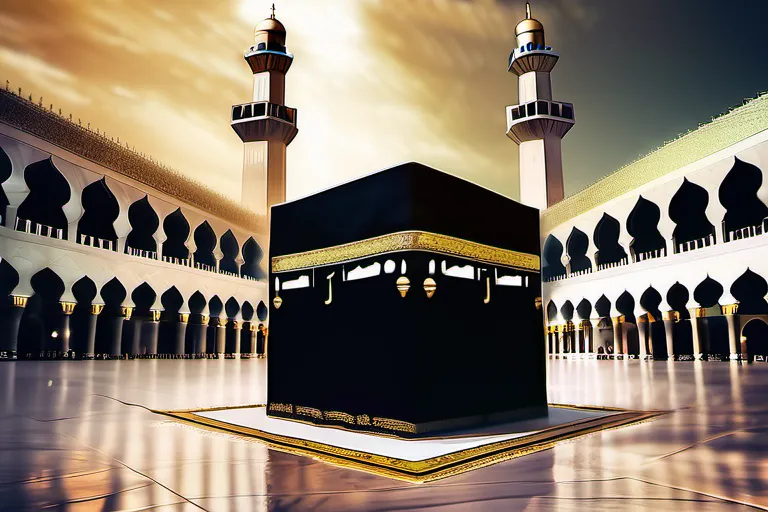
Where Muslim Beliefs and Values Come From
Muslim beliefs and values take shape through the Qur’an, the example of Muhammad and the work of communities and scholars ...

What Is a Waqf? How Islamic Endowments Fund Lasting Services
When Hürrem Sultan endowed a public kitchen in sixteenth-century Jerusalem, she had to provide for meals beyond the day it ...

What Is Sufism? Tasawwuf, Dhikr and the Sufi Path
Sufism, known in Arabic as tasawwuf, encompasses traditions of spiritual discipline within Islam. Sufi teachers have written about sincerity, remembrance ...

Core Teachings of Islam: Belief, Worship, and Responsibility
Islam teaches worship of one God, trust in divine guidance, accountability beyond death, and a life shaped by prayer, generosity, ...

What Does “Orthodox Islam” Mean? Beliefs and Traditions
“Orthodox Islam” is a context-dependent description of beliefs regarded as correct or authoritative; it is not the name of one ...

How Islamic Faith Shapes Religious Thought
Islamic faith shapes religious thought through beliefs about God, revelation, human responsibility, and the purpose of worship. These commitments generate ...

The Five Pillars of Islam Compared with Other Religious Practices
The Five Pillars of Islam organize a commitment to God through testimony, prayer, obligatory giving, Ramadan fasting, and pilgrimage. Other ...
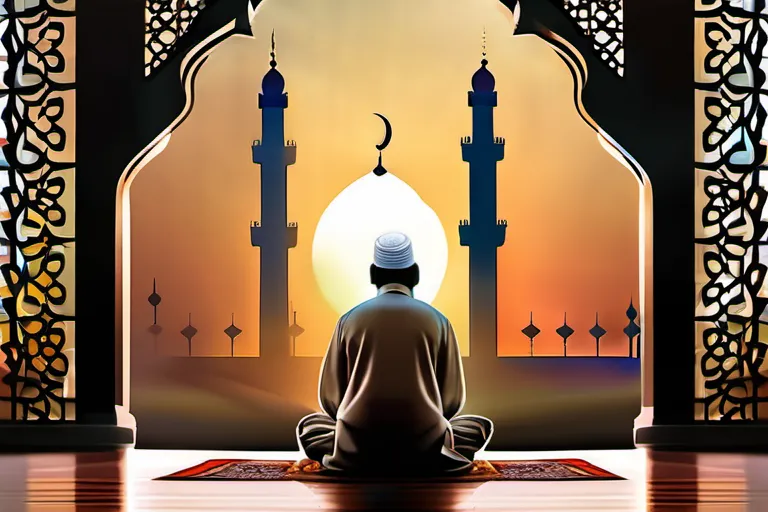
Fajr Prayer Explained: Dawn Timing, Two Units and Religious Significance
Fajr is the obligatory Muslim dawn prayer. Its distinctive features include its place between the beginning of true dawn and ...
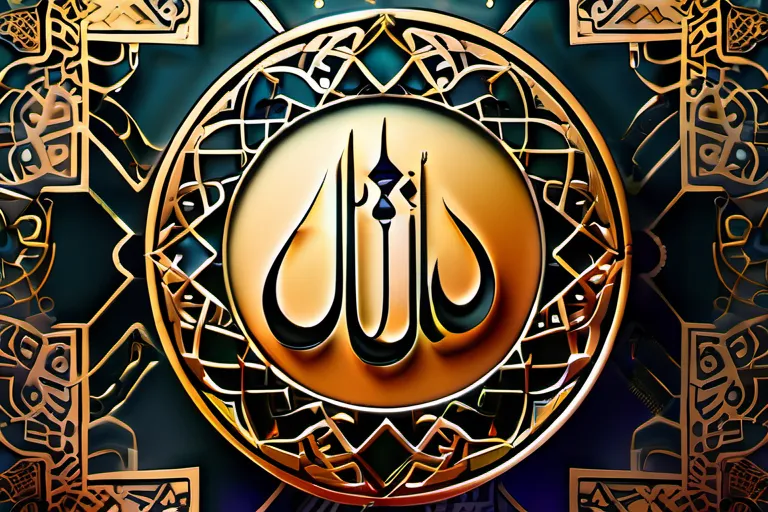
Allah in Islamic Belief: Oneness, Attributes, Mercy, and Justice
In Islam, Allah is the one God: creator and sustainer, without an equal, fully knowing, powerful, merciful, and just. Belief ...



