
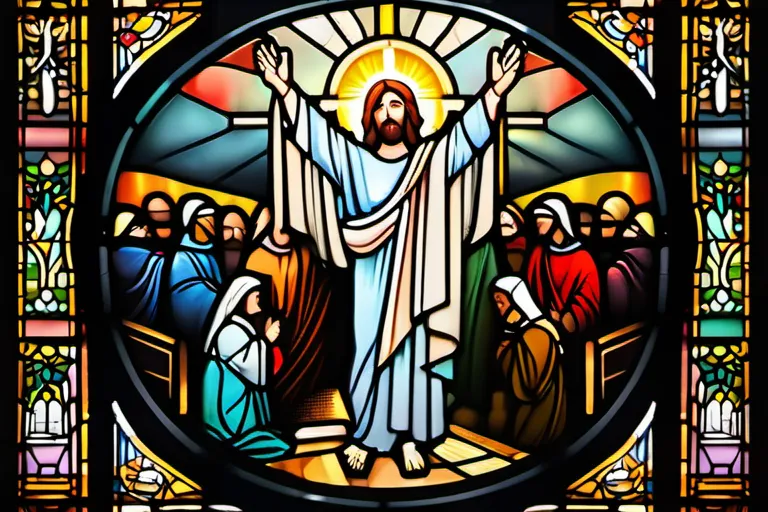
Sunday is the principal weekly day of worship for many Christians because the Gospels place the discovery of Jesus’ empty tomb on the first day of the week. Churches gather to remember his resurrection through scripture, prayer, preaching, and, in many traditions, the Eucharist. The day can also make room for rest, family life, hospitality, and service.
Its significance has several layers. Biblical narratives, early Christian gatherings, church teaching, and civil rules about work developed in different settings. Christians also disagree about how Sunday relates to the seventh-day Sabbath. Understanding those distinctions gives a clearer picture of what the day means.
The Resurrection and the First Day of the Week
In John 20:1–23, Mary Magdalene visits the tomb early on the first day of the week. The narrative then describes the disciples’ encounter with the risen Jesus that evening. For Christian worship, this association makes Sunday a recurring celebration of the resurrection, with Easter giving that celebration its fullest annual expression.
Other New Testament passages show first-day activity within Christian communities. Acts 20:7–12 describes a gathering to break bread at which Paul speaks late into the night. 1 Corinthians 16:1–4 directs believers to set money aside on the first day of each week for a collection supporting others.
These passages offer different kinds of evidence: an account of a gathering and instructions for a collection. They help explain the day’s importance in Christian memory and practice. A detailed account of later Sunday services and rest rules requires looking at subsequent sources as well.
The Sabbath Background
The biblical Sabbath is the seventh day. Exodus 20:8–11 relates it to God’s rest after creation and extends the command to rest across a household, including servants, resident foreigners, and animals. Deuteronomy 5:12–15 also recalls Israel’s enslavement in Egypt and requires that servants receive rest.
Creation, liberation, worship, and protection from unbroken labor are therefore part of the scriptural background. Jewish Sabbath observance continues as a living religious practice. Christian interpretations of Sunday draw on these scriptures while reaching different conclusions about the relationship between the two days.
An Early Description of Sunday Worship
In the second century, Justin Martyr’s First Apology, chapter 67, describes Christians assembling on Sunday. They hear apostolic memoirs or prophetic writings, receive instruction from the presiding minister, rise for prayer, and share bread and wine over which thanksgiving has been offered. Deacons carry a portion to those absent.
Justin also describes voluntary contributions supporting orphans, widows, prisoners, travelers, and people in need. In this account, the gathering combines scriptural instruction, communal prayer, Eucharistic participation, and material care. It is a specific early witness to practices that later churches developed in different ways.
The description also gives a concrete meaning to fellowship. The community’s responsibility reaches beyond those physically present or financially secure: absent members and people dependent on assistance remain part of its concern.
Church Discipline and Civil Rest
By the Council of Nicaea in 325, Sunday already had a recognized place in Christian worship. Canon 20 addresses the posture of prayer on the Lord’s Day and during the Pentecost season, directing standing prayer. The canon concerns shared liturgical discipline within an existing observance.
Sunday as a day free from work involved another development. John Paul II’s Dies Domini, paragraph 64, distinguishes early Sunday worship from later public rest. It discusses fourth-century Roman civil provisions allowing judges, urban populations, and trade groups to cease work on the day. Such arrangements helped make attendance and shared leisure more possible.
This distinction matters: a church’s religious observance and a society’s weekly work schedule are related questions with different histories. A calendar that grants Sunday leisure can support worship, but the religious meaning of the gathering depends on the community’s beliefs and practices.
Catholic and Orthodox Meanings
The Catholic Catechism, paragraphs 2174–2187, connects Sunday with the resurrection and the new creation. It places the Eucharist at the center of the day and teaches an obligation to participate in Mass, including the possibility of attending on the preceding evening. It also recognizes serious reasons for absence, such as illness or care of infants.
Its account of rest includes family relationships, appropriate recreation, reflection, and works of mercy. Necessary family responsibilities and important social service can justify work. This gives Sunday a practical ethical dimension: time set apart for worship also involves how people care for relatives, neighbors, and those unable to enjoy leisure.
In the Orthodox Church in America’s account of the Sundays after Easter, the first day is also described as the eighth day. This symbolic language points beyond the completed seven-day week to resurrection and the life of God’s kingdom. It explains why Sunday can express both a weekly rhythm and hope for a renewed creation.
Reformed and Adventist Differences
The Westminster Confession, chapter 21, paragraphs 7–8, represents a particular Reformed approach. It calls the first day of the week the Christian Sabbath and teaches that the day should be devoted to public and private worship, with duties of necessity and mercy also recognized. Its stricter treatment of ordinary work and recreation should be understood within that confessional tradition.
Seventh-day Adventists take a different position. Their Fundamental Belief 20 teaches observance of the seventh-day Sabbath, from sunset to sunset, as a time of worship, rest, and ministry grounded in creation and God’s commandment. They are Christians whose principal weekly observance is Saturday.
These examples show why the phrase Christian day of rest needs qualification. Churches can share belief in Jesus’ resurrection while disagreeing about the continuing obligation of the seventh day, the use of the term Sabbath, and the activities appropriate to the weekly holy day.
Sunday in Everyday Christian Life
A Sunday gathering gives a congregation a recurring opportunity to hear scripture together, pray for particular needs, and maintain relationships across the week. Justin’s description of support for vulnerable people and the Catechism’s discussion of mercy illustrate ways that worship is connected with practical responsibility.
How this looks depends on the community. Attending a service, sharing a meal, visiting an isolated relative, or helping someone who needs care can express different aspects of the day. People who work in essential services or carry caring responsibilities face different possibilities from those with a free weekend; an account of rest should take those circumstances seriously.
Conclusion
Sunday matters to many Christians as a recurring celebration of Jesus’ resurrection and a time to gather for worship. Its history includes early communal meals and prayer, later church disciplines, and arrangements for rest from work. Christian traditions interpret these elements differently, including those that observe the seventh-day Sabbath. Seeing those differences alongside the shared themes of worship, rest, and care explains both the day’s enduring importance and the variety of ways Christians observe it.
Published by Ralf. About our editorial process.




1 thought on “Sunday in Christianity: Worship, Rest, and Different Traditions”