

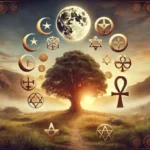
 Modern Druidry includes spiritual paths that take inspiration from ancient accounts of druids, later Celtic literature and the natural world. Its orders give different answers to questions about gods, spirits and ritual. The Order of Bards, Ovates & Druids, the British Druid Order and Ár nDraíocht Féin show how these differences work in practice. OBOD account of Druid beliefs · About the Order of Bards, Ovates & Druids · British Druid Order FAQ · Ár nDraíocht Féin dedicant manual
Nature and different understandings of the divine
The Order of Bards, Ovates & Druids, known as OBOD, describes Druidry as a religion for some people and a way of life for others. It recognises polytheist approaches, which honour multiple gods or goddesses, and views in which the sacred is understood as present throughout nature. People with different views of deity can take part in a shared ceremony. The order describes its membership as including Pagans, Christians and Buddhists as well as people with no particular religious affiliation. OBOD account of Druid beliefs · About the Order of Bards, Ovates & Druids
OBOD’s Sacred Grove Planting Programme shows one way that reverence for nature becomes a practical commitment. The order provides guidance on planting and caring for trees, along with ceremonies for marking the planting. A grove can serve as a place for ritual and give participants an ongoing responsibility for the land and trees they tend. OBOD Sacred Grove Planting Programme
Awen and creative inspiration
The British Druid Order places awen, a Welsh term for inspiration, at the centre of its understanding of Druidry. The order connects it with the story of Ceridwen and her cauldron and treats it as a spiritual source of creativity. This emphasis has a practical expression in bardic work such as storytelling, music and poetry. These arts are ways for practitioners to cultivate and share inspiration. British Druid Order FAQ
Ancestors, nature spirits and gods
Ár nDraíocht Féin, often called ADF, uses a more defined common form of worship. Its training manual describes offerings to the Three Kindreds, which it groups as ancestors, nature spirits and deities. In its ritual framework, a fire, a well and a tree represent elements of sacred space. The framework gives participants a way to address different beings and to express relationship through offerings. The manual also describes variation among groups within the fellowship, including in how they understand and represent the worlds of their ritual. Ár nDraíocht Féin dedicant manual
How these beliefs relate to ancient druids
Ancient accounts of druids survive chiefly through outside writers, and the later Celtic revival produced new forms of Druid organisation. Contemporary orders draw on that material selectively and can explain their own ceremonies in detail. Their manuals and teaching materials are direct evidence for modern Druidry. To see how the revival took shape or how seasonal rites are organised, see the related articles on Druid history and the festival calendar. English Heritage on druids and revival · Ancient druids and the modern revival · Eight festivals of the Wheel of the Year
Conclusion
Modern Druidry includes different ways of relating to nature, inspiration, ancestors and the divine. OBOD’s grove planting, the British Druid Order’s emphasis on awen and ADF’s offerings to the Kindreds show how those ideas become distinct forms of practice.
Published by Ralf. About our editorial process.



