
Islam
Imamate in Shia Islam: Authority, Succession and Different Traditions
In Shia Islam, the Imamate concerns rightful religious leadership after the Prophet Muhammad, especially the authority of Ali and the ...

Why Karbala Matters in Shia Islam: Husayn, Ashura and Arbaeen
Karbala is central to Shia Muslim memory because Husayn ibn Ali, a grandson of the Prophet Muhammad, was killed there ...

The Mahdi in Islam: Sunni Traditions, the Hidden Imam and History
The Mahdi is an expected, divinely guided figure associated with the restoration of justice in Islamic traditions about the end ...
Imam Ali in Shia Islam: Authority, History, and Legacy
Ali ibn Abi Talib is a foundational figure in Shia Islam: the first Imam, a close member of Muhammad’s family, ...

Who Were the Four Rightly Guided Caliphs?
Abu Bakr, Umar ibn al-Khattab, Uthman ibn Affan and Ali ibn Abi Talib led the early Muslim community in succession ...

The Battle of Badr: Events, Sources and Religious Significance
Muhammad’s forces defeated a Meccan Quraysh army at Badr in 624 CE, the second year after the Hijra. The battle ...

The Hijra in Islam: Migration, Community, and the Calendar
The Hijra is the migration of Muhammad and his followers from Mecca to Medina in 622 CE. It is important ...
What Is Ijtihad? Qualified Reasoning in Islamic Law
Ijtihad is the sustained intellectual effort through which a qualified Muslim jurist derives a ruling from the sources and methods ...
What Is Fiqh? Islamic Jurisprudence, Sources, and Legal Schools
Fiqh is Islamic jurisprudence: the scholarly understanding of practical religious rulings through their evidence. It addresses worship and everyday conduct, ...
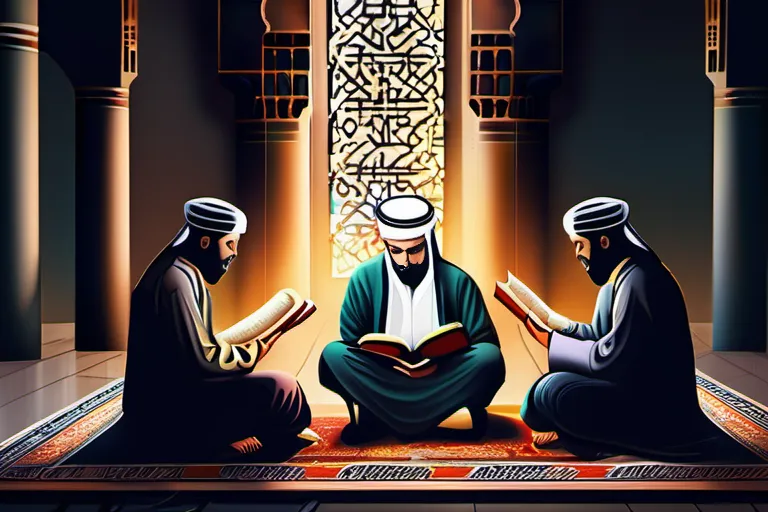
What Is the Role of the Ulema? Islamic Scholars, Fatwas and Religious Authority
The ulema, also written ulama or ʿulamāʾ, are scholars recognized for learning in Islamic religious disciplines. The word is plural; ...



