

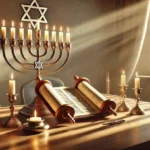
 Rosh Hashanah is the Jewish New Year. It begins on the first of Tishrei and opens the Days of Awe, a period of prayer and repentance that culminates in Yom Kippur. Rosh Hashanah is traditionally observed on the first two days of Tishrei. Some Reform congregations observe one day and others observe two. The shofar, the prayers and the foods at the holiday table give different expression to hopes and responsibilities for the year ahead. Leviticus 23:23–32 · Chabad, how to celebrate Rosh Hashanah · Reform Judaism, Rosh HaShanah customs
Why the year begins in the seventh month
Leviticus 23 sets aside the first day of the seventh month for rest and a sacred gathering marked by a blast or its remembrance. The same chapter sets the Day of Atonement on the tenth of that month. The Mishnah explains why a new year can begin in the seventh month. It gives the first of Nisan as the new year for reckoning the reigns of kings and the order of festivals, while the first of Tishrei begins the count of years and of cycles such as the sabbatical and jubilee years. These dates mark different kinds of time within one calendar. Leviticus 23:23–32 · Mishnah Rosh Hashanah 1:1 and Exodus 12:1–2
Among the Torah readings described by the Union for Reform Judaism are the birth of Isaac and the Binding of Isaac in Genesis. In the latter story a ram is offered in Isaac’s place, an association recalled through the shofar. Jewish tradition commemorates the giving of the Torah at Sinai on Shavuot. The palm branch and citron, known as lulav and etrog, are part of Sukkot, which begins later in Tishrei. Reform Judaism, Rosh HaShanah customs · Chabad, Shavuot · Chabad, Sukkot and the Four Kinds
What the shofar asks of the listener
The shofar is a horn, commonly a ram’s horn, sounded during synagogue services. In the practice Chabad describes, the community hears it on both days unless the first falls on Shabbat. In that case it is sounded on the second day. Maimonides hears a call in the blast to wake up, examine one’s deeds and return to God. His reading connects an action performed in public worship with work each person must do. Chabad, how to celebrate Rosh Hashanah · Maimonides, Laws of Repentance 3:4
At the table and by the water
At the first evening meal, many families dip apple slices in honey as they express the wish for a good and sweet year. Some serve pomegranates and use the many seeds to express a hope for many merits. Another custom, Tashlich, takes place near water. Chabad describes prayers asking God to cast sins away. The Union for Reform Judaism also describes the practice of casting breadcrumbs as a symbolic gesture. These customs give words and actions to hopes for the coming year. Chabad, how to celebrate Rosh Hashanah · Reform Judaism, Rosh HaShanah customs
From reflection to making amends
Teshuvah means repentance or return. In his Laws of Repentance, Maimonides treats harm done to another person as requiring action toward that person. If someone has taken what belongs to another, the responsibility includes returning what is owed and seeking forgiveness. With Yom Kippur approaching, the work of examining the year therefore includes identifying harm and taking steps to repair it. Leviticus 23:23–32 · Maimonides, Laws of Repentance 2:9
Conclusion
Rosh Hashanah begins a new year with prayer, the sounding of the shofar and wishes for sweetness at the table. Its place before Yom Kippur gives those customs a direction. The year opens with time to notice what needs to change and to begin making amends where another person has been harmed.
Published by Ralf. About our editorial process.



