
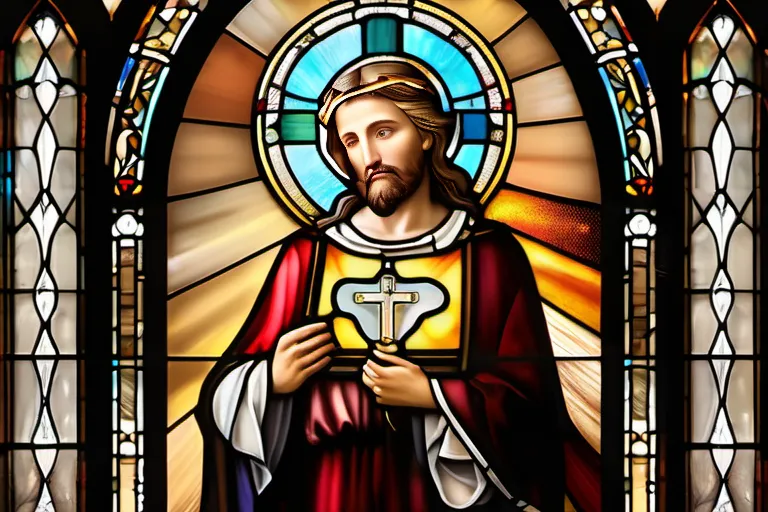
 In Christian usage, a saint can be someone a church publicly honors as an example of holiness. Catholic canonization and Eastern Orthodox glorification are ways churches recognize people by name. That recognition has consequences for public worship, such as the commemoration of a person’s life or a feast in their honor. Christians also differ in how they understand the role of the saints in prayer. John Paul II, Divinus Perfectionis Magister · Orthodox Church in America, the glorification of saints · Augsburg Confession, Article XXI
How a Catholic cause is examined
A Catholic cause can start with an inquiry overseen by a local bishop. It gathers testimony and documentary evidence about the person’s life and reputation. In Rome, specialists review the record and theologians assess the merits of the cause before it goes to the cardinals and bishops of the dicastery. Causes may be based on heroic virtue or martyrdom. In 2017 Francis established a further basis for some people who voluntarily offered their lives for others and accepted a death connected with that choice. John Paul II, Divinus Perfectionis Magister · Francis, Maiorem hac dilectionem
Beatification and canonization are distinct acts of recognition. When an alleged healing is submitted as a miracle, medical experts examine the case and theologians and church authorities consider the claim separately. Under the published regulations, when a miracle is presented for canonization it is to have taken place after beatification. The pope has the authority to approve public veneration. On September 14, 1975, Paul VI canonized Elizabeth Ann Seton, honoring a life that included marriage, motherhood, widowhood and the founding of a religious congregation. John Paul II, Divinus Perfectionis Magister · Dicastery for the Causes of Saints, regulations for postulators · Paul VI, canonization homily for Elizabeth Ann Seton
Glorification in the Orthodox Church in America
The Orthodox Church in America traces the veneration of saints to early Christian practices such as commemorating martyrs on the anniversaries of their deaths. In its present process, a bishop can bring a request forward. A commission researches the person’s life and reports to the Holy Synod, which decides whether to number the person among the saints. The rite can include a final memorial service, followed by hymns for the saint and the unveiling of an icon. Orthodox Church in America, the glorification of saints
In November 2023 the Holy Synod resolved to number Olga Michael of Kwethluk, Alaska, among the saints. Its proclamation set November 10 as a feast and called for icons, an account of her life and texts for services in her honor. The church celebrated the Rite of Glorification in June 2025. The separate dates show how a synodal decision becomes part of a church’s public prayer and calendar. Holy Synod, proclamation on Matushka Olga · Orthodox Church in America, Olga of Kwethluk documents and services
What Christians do with the memory of saints
Catholic teaching presents saints as people to imitate and whose intercession believers may seek. The Orthodox proclamation likewise speaks of Olga’s prayers. The Lutheran Augsburg Confession encourages Christians to remember the saints and follow their examples of faith and good works. It directs prayer for help to Christ as mediator and rejects invoking the saints. Honoring exemplary Christians can therefore have different forms even where churches agree that their lives are worth remembering. John Paul II, Divinus Perfectionis Magister · Holy Synod, proclamation on Matushka Olga · Augsburg Confession, Article XXI
Conclusion
Sainthood brings the memory of a life into the practices of a community. The Catholic cause examines evidence before papal recognition. In the Orthodox Church in America, the synodal decision leads to a liturgical commemoration that can include hymns, icons and a feast. The Augsburg Confession gives a separate example of how Christians can honor the saints through remembrance and imitation. Each practice expresses what that church believes it means to learn from the lives of holy people.
Published by Ralf. About our editorial process.



