

Puja is an act of worship through which Hindus express reverence, gratitude, and devotion. It can involve prayer, a sacred image, water, flowers, food, fragrance, and light. A brief observance at home and an elaborate temple ceremony can both be called puja, although their procedures and purposes differ.
There is no single sequence required by every Hindu tradition. The deity, family practice, temple, teacher’s lineage, and occasion all help shape what happens. Understanding those differences is part of understanding puja itself.
Worship understood through hospitality
One useful explanation compares puja with receiving an honored guest. D. C. Rao’s Understanding Hinduism: Basic Questions Answered describes welcoming, offering water and a seat, providing refreshments, and expressing praise. In worship, these acts become services offered to the divine.
This helps explain actions that might otherwise seem unrelated. Water, clothing, flowers, and food are not simply a collection of decorative objects. They express care and the offering of what the devotee values.
The account also explains how worship engages the senses through a decorated image, sound, fragrance, touch, and offered food. The ritual’s meaning lies in the relationship expressed through these actions, rather than in an assumption that an expensive display must produce a greater blessing.
Devotion and the choice of deity
Puja may be directed toward Ganesha, Shiva, Vishnu, Krishna, a form of the Goddess, or another divine form central to a particular tradition. A household may maintain a principal devotion while honoring other deities on appropriate occasions.
Those forms are not understood identically across Hindu philosophies. Some traditions emphasize a supreme personal deity; others explain multiple forms in relation to one ultimate reality. The discussion of different Hindu deities explores those distinctions in more detail.
A concrete devotional example appears in Bhagavad Gita 9.26, where Krishna accepts a simple offering made with devotion. The passage gives religious significance to love and intention, rather than treating worship as a transaction in which the price of the offering determines its value.
Devotees may seek guidance, protection, well-being, or help with a particular concern. These are religious hopes. Describing them does not establish a guarantee of wealth, recovery from illness, or success in an undertaking.
A representative outline of a puja
The Hindu American Foundation’s home puja guide presents brief and fuller formats rather than one compulsory procedure. Its examples illustrate a recurring pattern:
- Preparation: clean and arrange the place, assemble the items, and turn attention toward worship.
- Welcome and remembrance: contemplate the deity and offer a respectful welcome.
- Services and gifts: offer items such as water, fragrance, flowers, a lamp, and food, accompanied by prayers or mantras.
- Praise and completion: express reverence, bring the worship to a close, and acknowledge errors or omissions.
- Receiving and sharing: accept the offered food or other items in their religious significance and share as appropriate.
The guide includes both physical and symbolic offerings. This outline helps a reader recognize the structure; it does not replace a particular community’s instructions or establish that every ceremony includes every listed act.
More elaborate services may include ceremonial bathing, adornment, and other acts of care for a sacred image. Some are performed by temple specialists; simpler household worship can be performed by devotees themselves.
The sacred image is more than decoration
A murti is a sacred image or embodiment used in worship. In many temple traditions, consecration establishes a relationship understood as the deity’s living presence. Rao’s account describes a consecrated temple murti being bathed, adorned, fed, and given rest.
This is a religious understanding of presence and service. It explains why tending an image can be an act of devotion rather than simply maintaining an object. It should not be reduced to the statement that every Hindu worships an ordinary statue as material, or that all images are merely optional psychological symbols.
Different traditions explain the relationship between form and divinity in different ways. Recognizing a particular temple’s teaching is more useful than imposing one explanation on all Hindu worship.
Puja and darshan are related, but different
BAPS London explains darshan as beholding the deity with reverence. Within its account of divine presence, the devotee also experiences being seen by the deity. The relationship is reciprocal, rather than simply looking at a religious artwork.
Darshan can accompany puja, and a person may visit a temple for darshan without personally performing an entire offering sequence. Darshan names the encounter through seeing, while puja describes a broader pattern of worship and offering.
Pranam, a respectful bow or gesture of greeting, can form part of this encounter. Seeing, offering, praying, and bowing are connected activities, but their names identify different aspects of worship.
Arati: offering light
Arati, also spelled arti or aarti, is an offering of light before the deity. BAPS London’s explanation describes lighted wicks, sung prayer, and instruments such as bells. It presents the act as reverent greeting and thanksgiving.
In that temple setting, the light is then brought to devotees, who receive the blessing through a customary gesture. The account connects the ceremony with the deity’s presence and grace. Other communities may use different prayers, materials, and arrangements.
Arati can be part of a larger puja, but it is not a synonym for every action within it. Similarly, the presence of a flame does not make every puja identical with a fire-offering ceremony.
Naivedya and prasada: food offered and received
Food presented to the deity is commonly called naivedya. After offering, it can be received as prasada, or prasad, understood as a sign of divine grace. The distinction concerns the food’s place in the relationship of offering and receiving.
BAPS London’s explanation of thal describes meals offered to the deities through the temple day, with prayers accompanying the service. The food is subsequently received in its sanctified significance.
Sharing prasada can connect worship with hospitality and community. The sharing follows the act of offering: food is received as grace and hospitality rather than simply displayed during a ceremony.
Daily worship, festivals, and lunar dates
Daily puja provides a recurring time for devotion. The BAPS account of its own practices, for example, describes morning worship centered on Bhagwan Swaminarayan and the guru lineage. It also describes mansi puja, in which service is offered mentally. These are examples from a particular Swaminarayan tradition.
Festival observances may bring additional images, narratives, offerings, and collective participation. BAPS’s explanation of Ganesh Chaturthi describes worship of Ganesha over a festival period. It illustrates how a particular deity and occasion shape a ceremony, rather than establishing one format for all annual pujas.
Lunar terminology needs care. The BAPS calendar explanation identifies Chaturthi as the fourth lunar day, Purnima with the full moon, and Amavasya with the new moon. Calendrical conventions also vary, so a particular observance should be understood within its own calendar.
How puja differs from homa or yajna
The Himalayan Academy’s glossary distinguishes worship with water, lights, and flowers from forms of fire sacrifice. In a homa or related yajna, offerings are placed into a ritual fire with recitation. The terminology also has broader meanings in Hindu thought.
These practices may occur within the same larger religious occasion, but they are not interchangeable labels. Their combination depends on the occasion and the ritual tradition involved.
What participation can mean
For practitioners, puja can organize attention, express gratitude, sustain a devotional relationship, and mark time within family or community life. Preparing offerings or learning prayers can also provide occasions for passing on practices.
These meanings should be distinguished from universal psychological outcomes. One person may experience concentration or reassurance; another may participate chiefly through family custom or communal belonging. The existence of a ritual does not establish that it automatically removes conflict, produces personal growth, or makes every gathering equally inclusive.
For visitors, the particular temple’s arrangements matter. BAPS London’s visitor guidance, for example, specifies footwear, clothing, and photography rules. Such guidance concerns that place of worship; it should not be presented as an identical code for every Hindu temple.
Conclusion
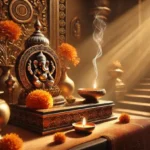
Puja brings devotion into concrete actions of welcome, offering, praise, and receiving. Understanding its parts—such as darshan, arati, and prasada—makes the worship clearer without reducing it to either a decorative performance or a single ritual recipe.
The most helpful starting point is the particular tradition and occasion: who is worshipped, how divine presence is understood, and what the offerings express. That preserves the depth of the practice while allowing for differences between household devotion, temple service, and festival celebration.
Published by Ralf. About our editorial process.



